Feeling a little unsure about the basics of driving? Don’t worry, everyone starts in the same place, and at Bill Plant Driving School, we help thousands of learners every year build confidence behind the wheel. Whether you’re preparing for your first driving lesson or just need a refresher, this step-by-step guide explains:
- How to start a car (manual and automatic)
- How to move off safely
- How to stop smoothly and in control
- What to do if something goes wrong
Everything covered here reflects the safe driving routines recommended by the Driver and Vehicle Standards Agency (DVSA), the organisation responsible for setting UK driving test standards.
Let’s get you road-ready.
Before you start your car
Before turning the engine on, make sure you’re properly set up. According to DVSA best practice, vehicle control starts before the engine does.
- Adjust your seat so you can comfortably reach the pedals
- Adjust your mirrors
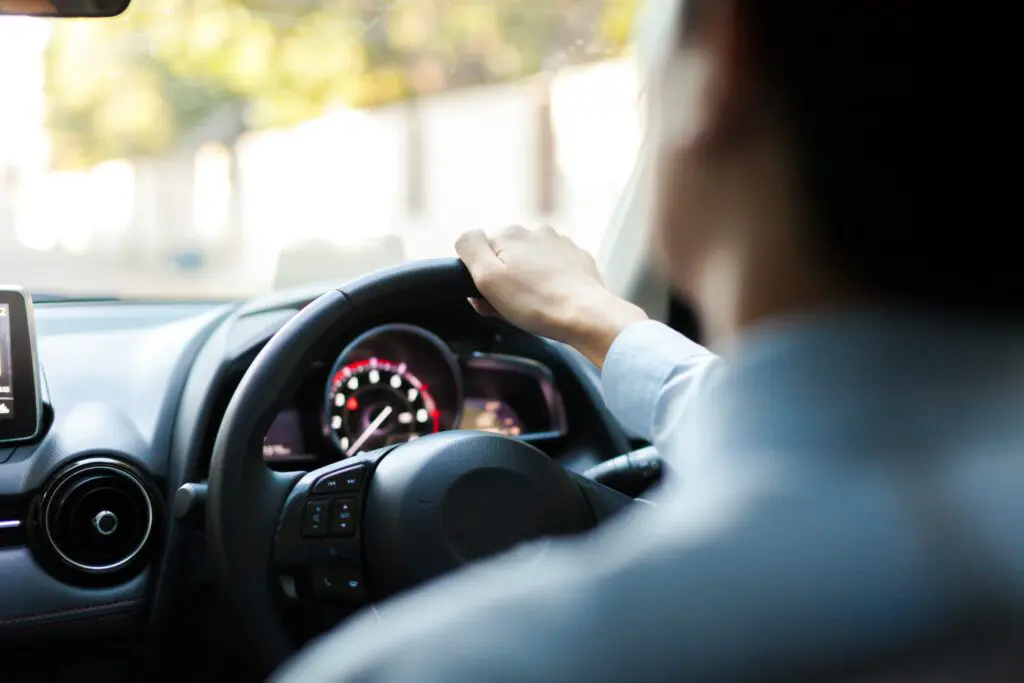
- Position the steering wheel
- Fasten your seatbelt
Next, familiarise yourself with the car controls, especially the pedals, gears and handbrake. The setup differs depending on whether you’re learning in a manual or an automatic car.
Identify your pedals: clutch, accelerator & brake
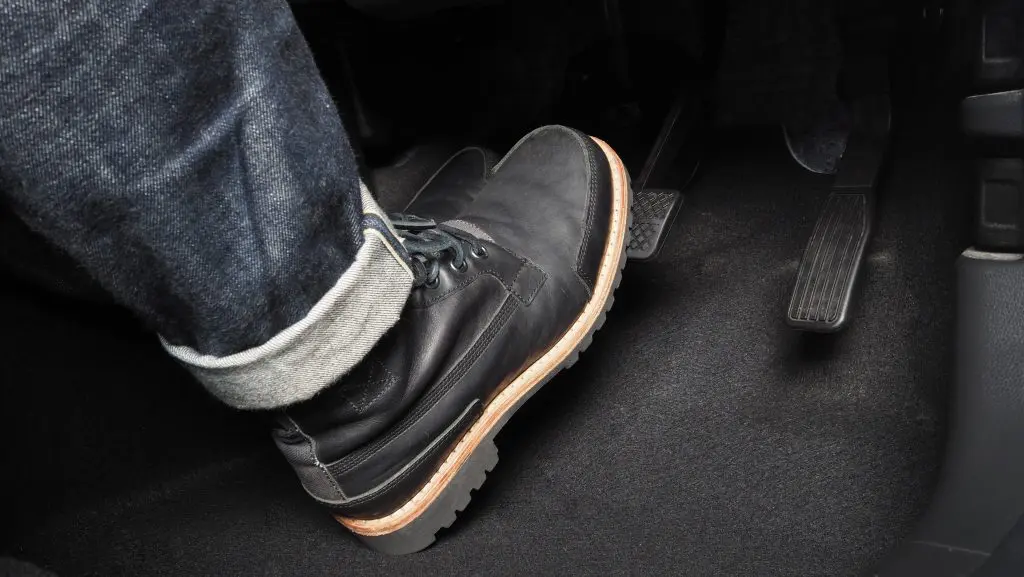
In a Manual Car
You will have three pedals, from left to right:
- Clutch (left pedal) – Used to change gears and to prevent the engine from stalling when stopping. You operate this with your left foot.
- Brake (middle pedal) – Used to slow down or stop the car. Operated with your right foot.
- Accelerator (right pedal)- Used to increase speed. Also operated with your right foot.
The clutch connects the engine to the wheels. Learning how to control it smoothly is one of the most important early driving skills.
In an Automatic Car
You will have only two pedals:
- Brake (left pedal)
- Accelerator (right pedal)
There is no clutch in an automatic car, which makes moving off and stopping simpler for many beginners.
Understanding the Gear Stick
Manual Cars
In a manual car, the gear stick allows you to select:
- 1st gear (for moving off)
- 2nd to 5th or 6th gear (for building speed)
- Reverse
- Neutral
When you first enter the car, the gear stick should be in neutral, meaning it is not engaged in any gear.
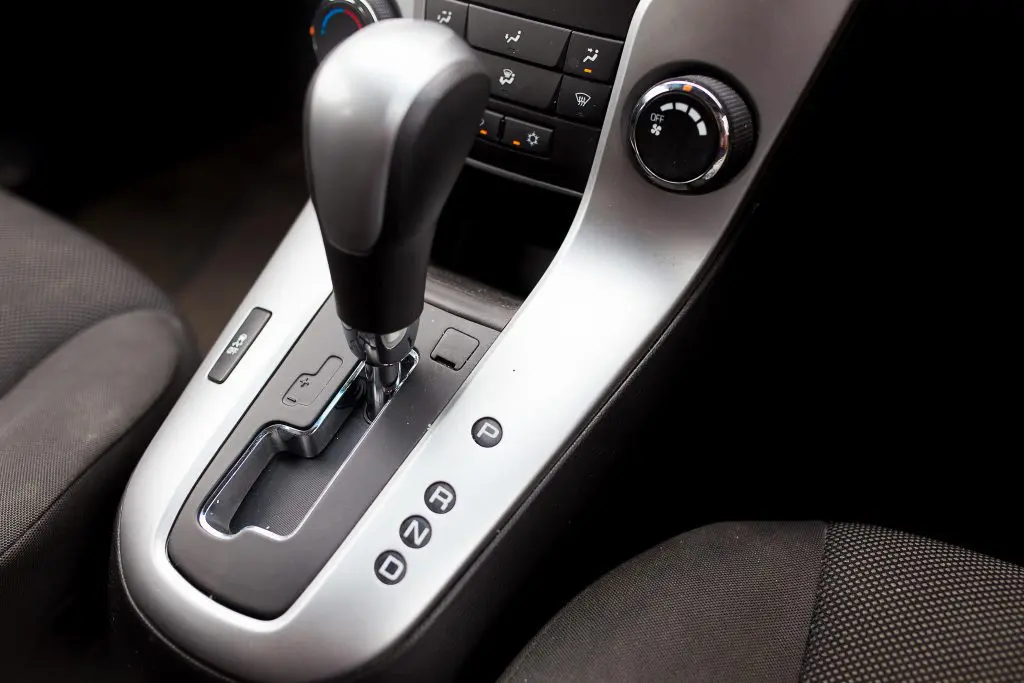
Automatic Cars
In an automatic, the gear selector usually includes:
- P (Park)
- R (Reverse)
- N (Neutral)
- D (Drive)
For normal driving, you’ll use “D” for Drive.
Understanding the Handbrake
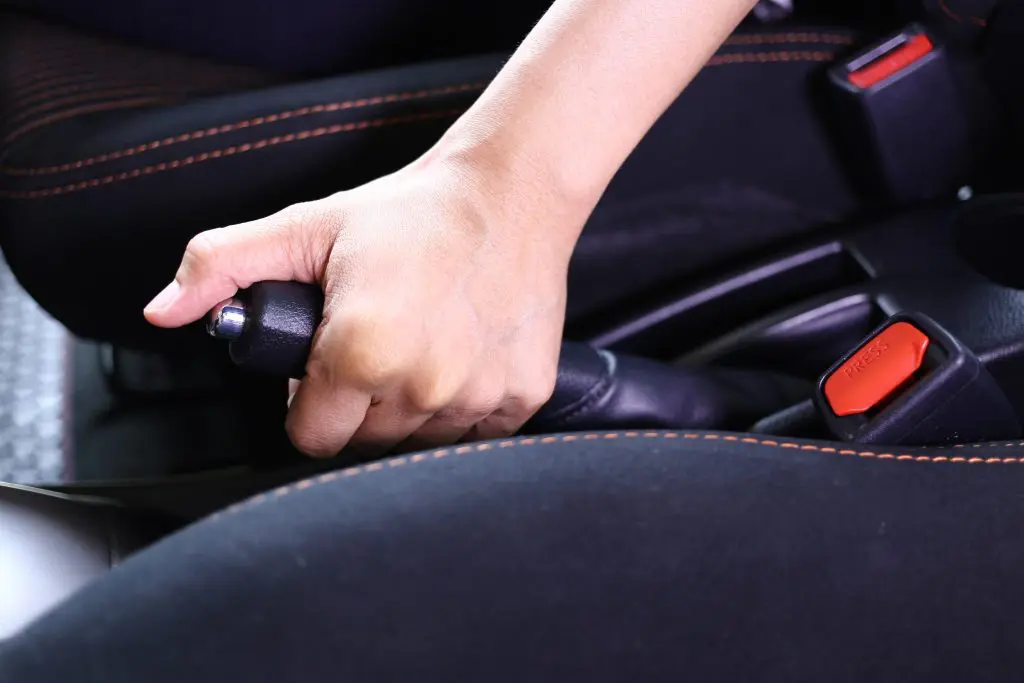
Your handbrake prevents the car from rolling when parked. It may be:
- A traditional lever between the seats
- An electronic switch or button
Always ensure it is engaged before starting the car and only release it when you’re ready to move off.
How to start a car
One of the first routines your instructor will teach follows a clear sequence: calm, controlled and systematic.
The DVSA encourages structured routines to develop safe habits from day one.
Always begin by fastening your seatbelt.
How to Start a Manual Car
- Make sure the handbrake is on
- Ensure the gear stick is in neutral
- Press the clutch fully down with your left foot
- Insert the key into the ignition (or press the start button)
- Turn the key or press the button to start the engine
- Select first gear while keeping the clutch down
The engine is now running, and you’re ready to prepare to move off.
How to Start an Automatic Car
- Ensure the gear selector is in “Park”
- Press and hold the brake pedal
- Insert the key or press the start button
- Once started, keep your foot on the brake
- Move the gear selector to “Drive”
The car is now ready to move.
How to Move Off Safely
Moving off means driving away from a parked or stationary position. Before moving, you must complete safety checks.
Always remember the routine:
- Check mirrors
- Check blind spot
- Signal if needed
- Move when safe
Moving Off in a Manual Car
- Start the car and select first gear
- Apply your indicator if required
- Check mirrors and blind spot
- Gently raise the clutch to find the bite point (you’ll feel slight vibration)
- Add gentle pressure to the accelerator
- Release the handbrake
- Continue lifting the clutch slowly while adding acceleration
As the car gains speed, fully release the clutch. If you lift the clutch too quickly or don’t add enough acceleration, the car may stall, this is completely normal for beginners.
Instructor Insight
“Most learners think moving off is about speed. It isn’t. It’s about control. When a pupil slows everything down and focuses on smooth clutch control, their confidence increases almost immediately.”
— Paul Wrigglesworth, Head of Trainer Development
Moving Off in an Automatic Car
- Ensure the car is in “Drive”
- Keep your foot on the brake
- Check mirrors and blind spot
- Signal if necessary
- Release the handbrake
- Gently lift your foot off the brake
- Apply light acceleration
Because there’s no clutch, the car will move forward smoothly as soon as you ease off the brake.
What to Do If You Stall (Manual Cars)
Stalling happens when the engine cuts out — usually because the clutch was released too quickly.
If this happens:
- Stay calm
- Apply the brake
- Turn the engine off
- Put the gear stick into neutral
- Restart the engine
- Try again slowly
Every learner stalls at some point — it’s part of the learning process.
How to Stop a Car Smoothly
Stopping safely is just as important as moving off. A smooth stop should feel controlled — not sudden or jerky.
Before stopping:
- Check your mirrors
- Signal if necessary
- Plan where you want to stop
Stopping in a Manual Car
- Ease off the accelerator
- Apply gentle pressure to the brake
- Increase braking pressure gradually
- Press the clutch down just before the car begins to struggle
- Come to a complete stop
- Apply the handbrake
- Select neutral
- Turn off the engine if parked
Avoid pressing the clutch too early, as this reduces control (known as coasting).
Stopping in an Automatic Car
- Ease off the accelerator
- Apply gentle pressure to the brake
- Increase braking smoothly if needed
- Come to a full stop
- Apply the handbrake
- Select “Park” if finished driving
- Turn off the engine
Because there is no clutch, braking is often simpler in an automatic.
Instructor Insight
“We teach progressive braking from lesson one. When learners understand that stopping is a controlled process — not usually a sudden action — they develop much safer road awareness.”
— Paul Wrigglesworth, Head of Trainer Development
Troubleshooting: Common Beginner Mistakes
The Car Won’t Start
Check that:
- The car is in neutral (manual) or park (automatic)
- The clutch is fully pressed (manual)
- The brake is pressed (automatic)
- The handbrake is engaged
Modern vehicles often won’t start unless these conditions are met.
The Car Jerks When Moving Off
This usually means:
- The clutch was released too quickly
- Too much accelerator was applied
- Movements were rushed
The solution is smooth, gradual control.
The Car Jolts When Braking
You may be:
- Pressing the brake too sharply
- Not easing off the accelerator first
Always ease off the accelerator before braking and apply steady pressure.
The Car Rolls Back on a Hill (Manual Cars)
This is common for beginners. To prevent it:
- Keep the handbrake engaged
- Find the bite point
- Add gentle acceleration
- Release the handbrake once the car pulls forward
This technique is known as a hill start.
Safety Tips for New Drivers
Smooth control is important — but safety always comes first. Remember to:
- Always wear your seatbelt
- Check mirrors before changing speed or direction
- Never rush clutch or brake movements
- Keep both hands on the steering wheel
- Avoid distractions
- Maintain safe distances from other vehicles
Driving is about awareness as much as control.
Frequently Asked Questions
Is it easier to learn in an automatic?
Many learners find automatic cars easier because there’s no clutch or manual gear changes. However, learning in a manual gives you more flexibility with your licence.
How long does it take to learn to move off smoothly?
Most learners gain confidence within the first few lessons. Clutch control in a manual may take a little longer to master.
Is stalling dangerous?
No — stalling is common for beginners. The key is to stay calm and restart the process safely.
Learn the Basics With Bill Plant Driving School
Reading about starting, moving off and stopping is a great first step, but nothing replaces real driving experience.
At Bill Plant Driving School, we deliver driving lessons in both manual and automatic cars every day. We guide you step-by-step, build your confidence gradually, and help you feel fully in control.
If you’re feeling nervous about your first lesson, that’s completely normal. We’re here to make learning simple, supportive and safe from day one.
Ready to get started? Find your nearest Bill Plant Driving Instructor today!